Content Hub
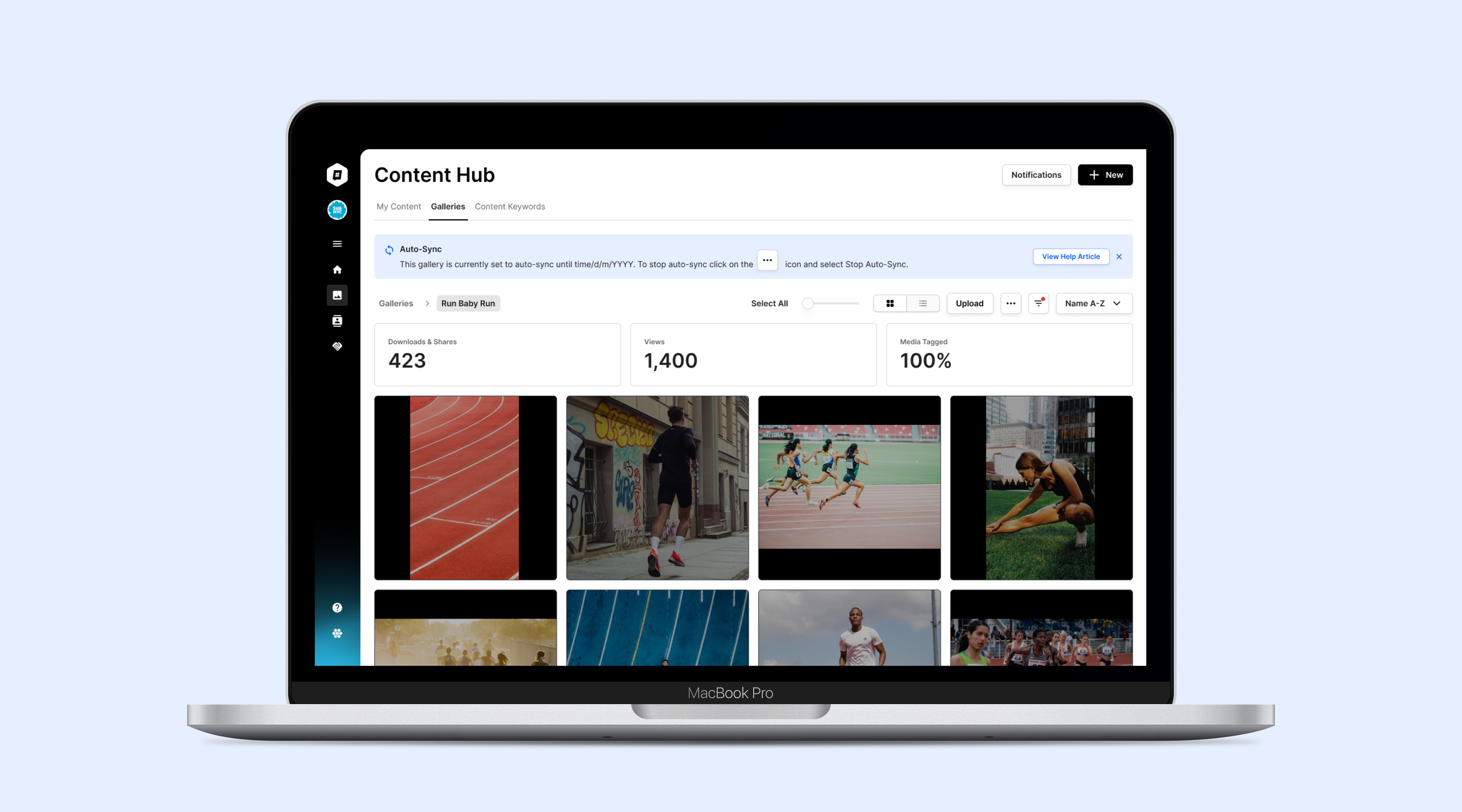
Redesigned an outdated gallery module to drive user engagement — larger imagery, cleaner upload flows, and a design-system-aligned experience.
The Challenge
The current gallery module was outdated and did not effectively engage users. Images were displayed at small sizes with incorrect aspect ratios and poor quality. The process to upload images was cumbersome, leading to low user engagement across the platform.
My goal was to redesign the gallery module so that it would enhance the user experience and engagement, while ensuring consistency through the use of the new design system.
Users didn't engage because the product didn't respect their content. Fixing that meant fixing the fundamentals first.
Understanding the Problem
We began with a discovery phase gathering insights on user behavior and pain points through user feedback forums and interviews. A clear pattern emerged — users often did not engage with the current content hub due to the small image sizes, incorrect aspect ratios, and poor image quality.
Additionally, users found the upload image flow confusing and difficult to navigate. These weren't edge cases — they were the primary reasons engagement had stalled.
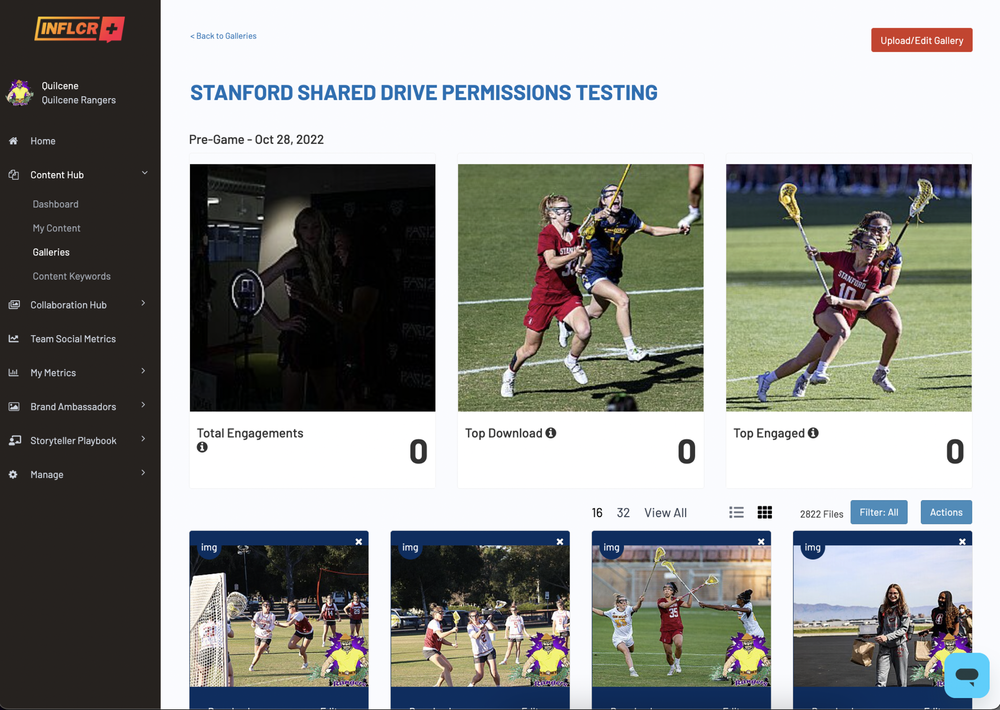
Previous content hub — small images, incorrect aspect ratios
The Solution
I crafted a new content hub designed to engage users with stunning, high-quality imagery. I enlarged the images for better visibility while maintaining original aspect ratios. A hover interaction reveals helpful details on demand — giving users the information they need without cluttering the interface or compromising image quality.
I restructured the image upload process for improved UX. The new flow guides users through gallery creation and enables bulk uploads from multiple platforms, resulting in significant time savings. The gallery now supports video, audio files, and documents — extending beyond static visuals to reach a wider audience.
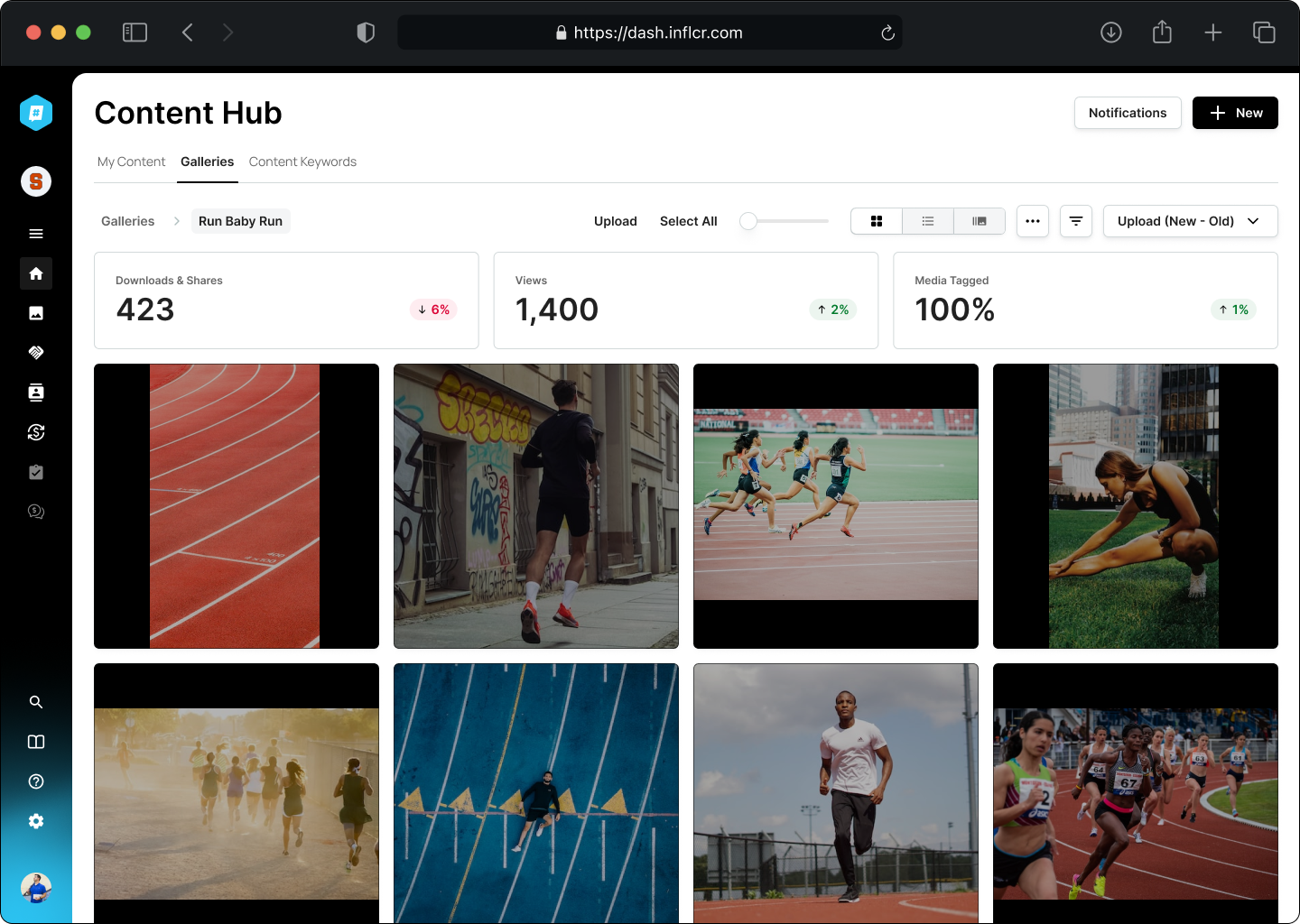
Redesigned gallery view
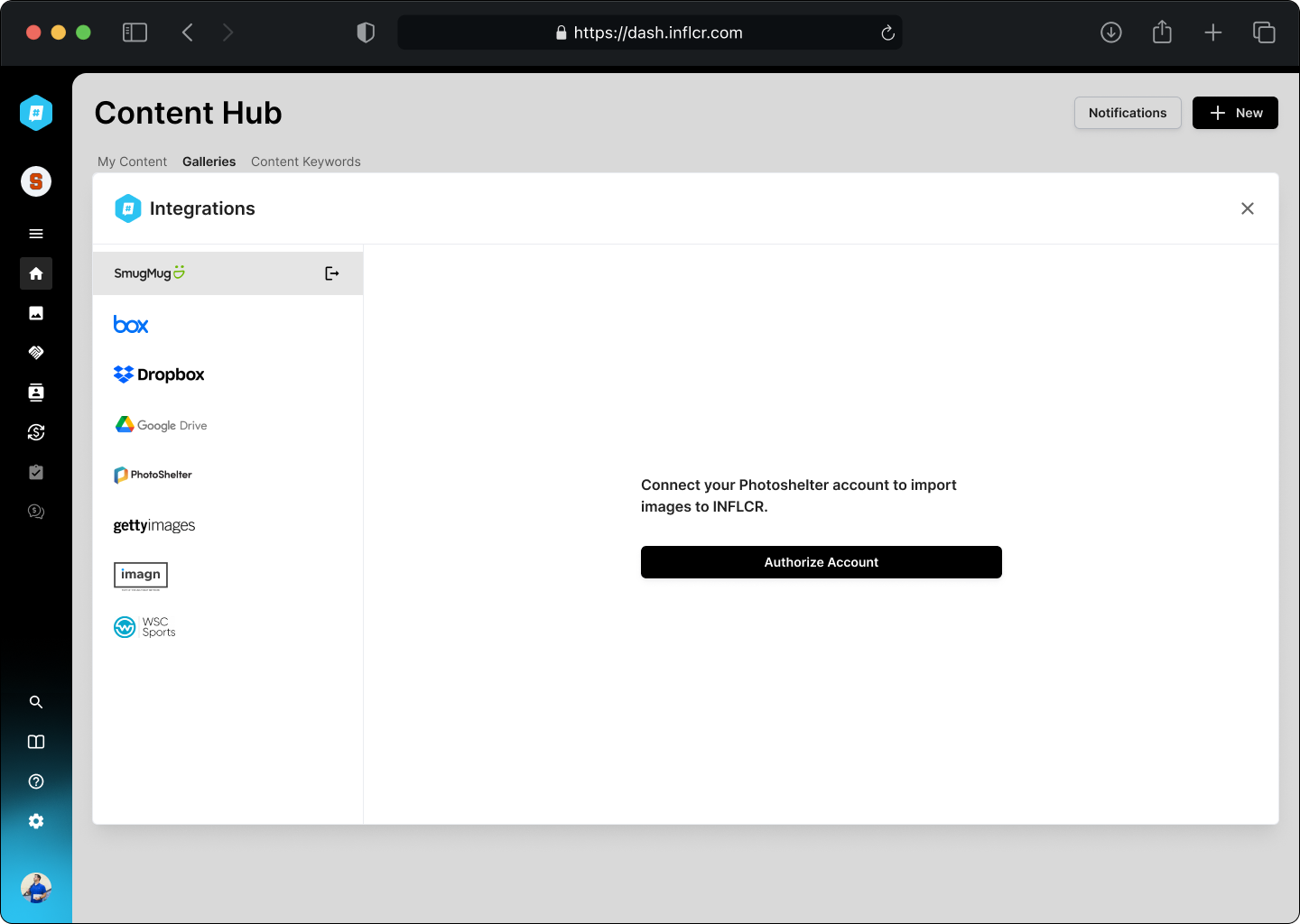
Streamlined upload flow
Testing & Validation
The design journey began with translating research into a clickable prototype, bringing the envisioned content hub to life. Early interaction revealed its potential and enabled internal testing to identify and iron out technical issues.
A panel of users then tested the prototype, providing invaluable real-world feedback. Their insights pinpointed areas for improvement, allowing us to iteratively refine the design for an enhanced user experience.
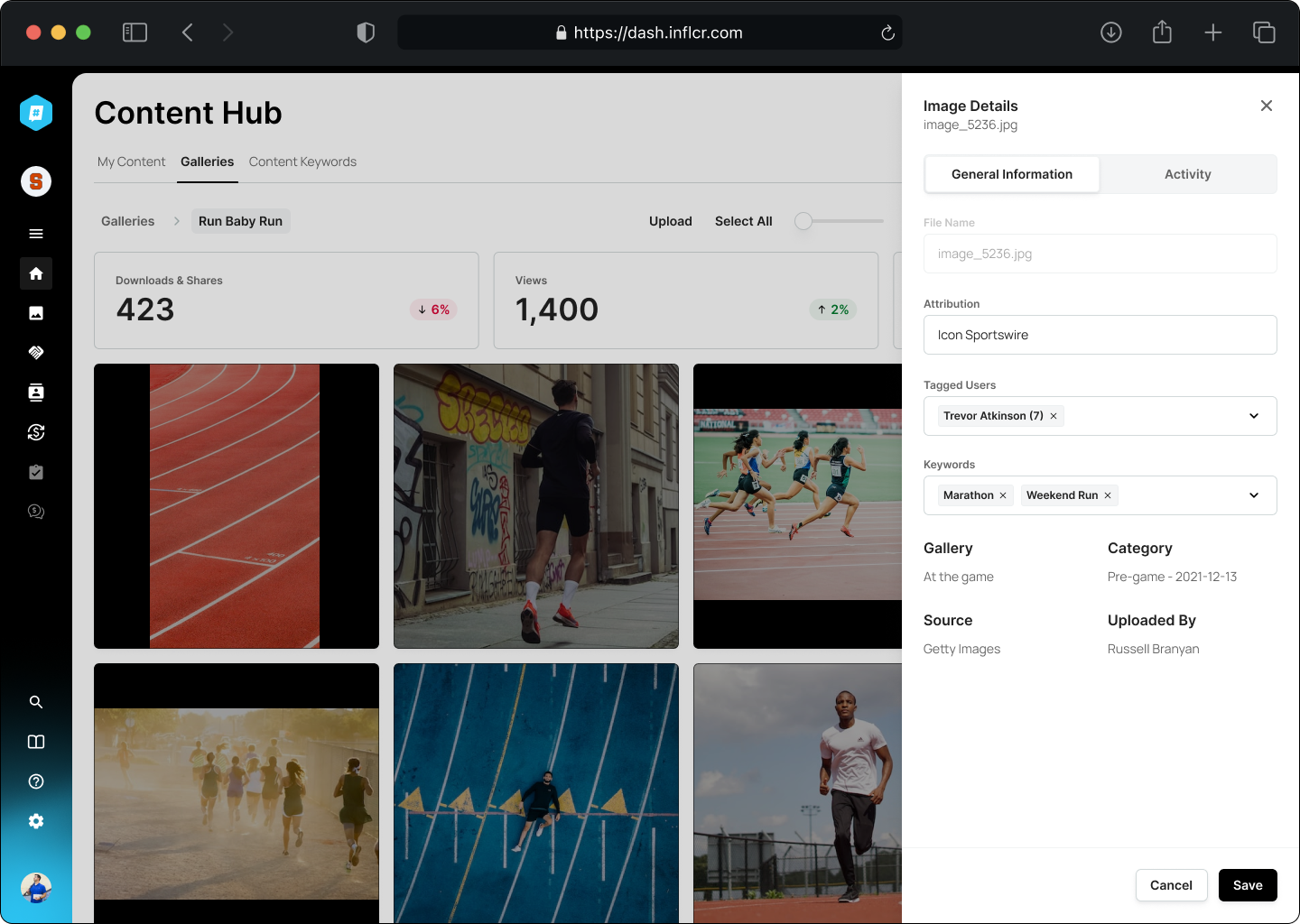
Image details drawer
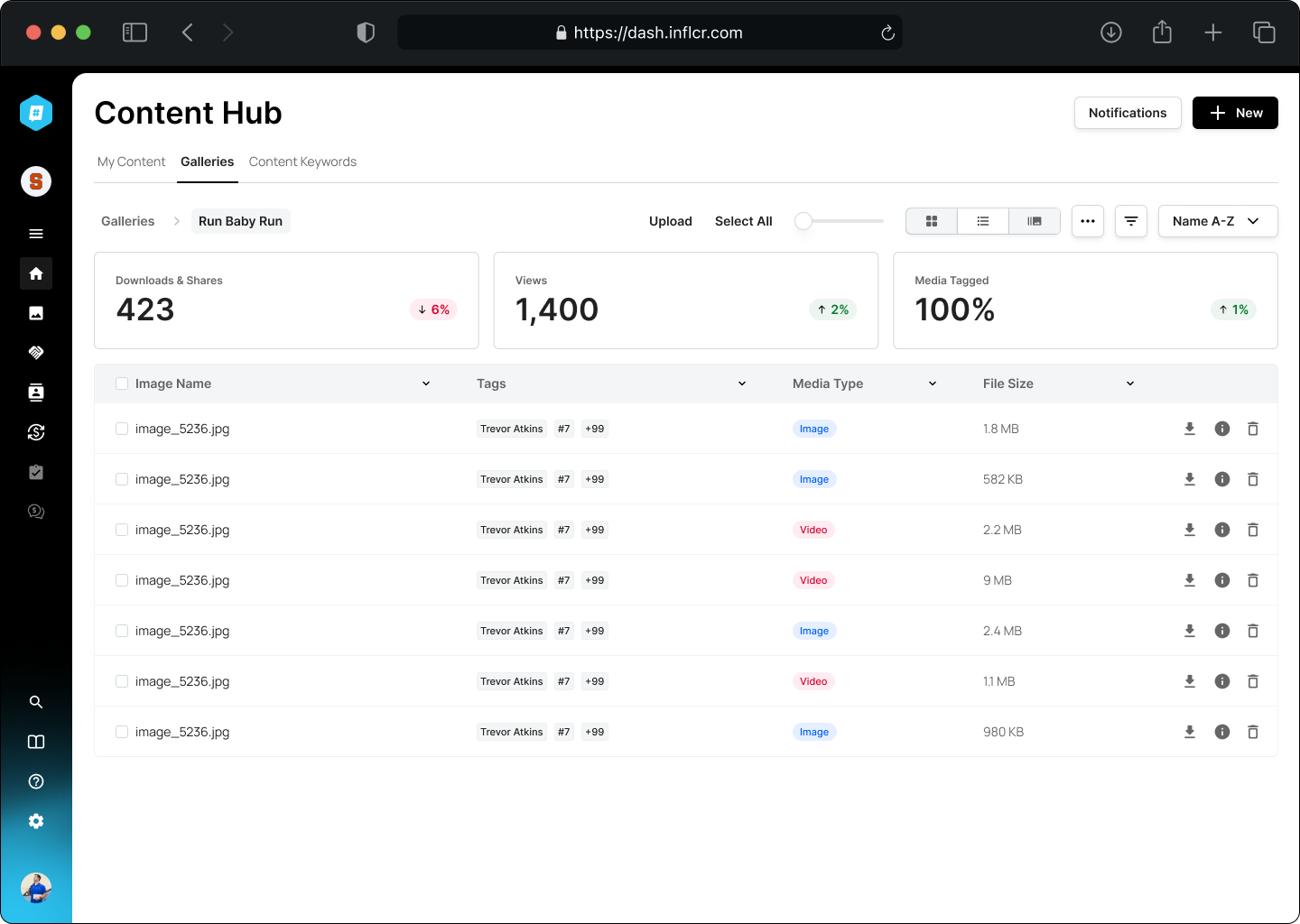
Secondary list view
Iteration & Polish
I tackled issues including slow loading times, image upload errors, and missing features uncovered in testing. After each fix, rigorous testing ensured changes genuinely improved the experience. This iterative cycle continued until the design met every user need and delivered an optimal experience.
The Outcome
The revamped content hub wasn't just a facelift — it was a user engagement revolution. Stunning, high-quality images grabbed attention, while the intuitive upload flow made adding visuals effortless. Users noted significant improvements, and the numbers agreed — engagement and satisfaction soared.
The design system ensured a seamless, consistent experience across the website, further boosting user engagement and retention. Our clients witnessed firsthand the power of user-centric design.